More about the Rubik's cube
Published on 18 Sep 2023
Other
A Rubik's cube, usually referred to as “Rubik's,” is a 3-dimensional puzzle that has entertained generations of people. It typically consists of a 3×3×3 grid of colourful cubes, with a different colour on each side. The goal is to solve it by turning the cube's sides so that each face consists of one colour. Even though this task sounds easy, people may spend weeks or even years mastering it.
Hungarian sculptor and architecture professor Ernő Rubik invented the cube in 1974. He originally created it for teaching three-dimensional geometry to his students and called it the “Magic Cube.” He patented it in 1975.
Mathematicians and enthusiasts quickly popularized it, and in 1977, the Ideal Toy Corporation licensed it and renamed it the “Rubik's Cube.” By advertising it as a great puzzle, they achieved international success by 1980, making it a remarkable discovery for many.
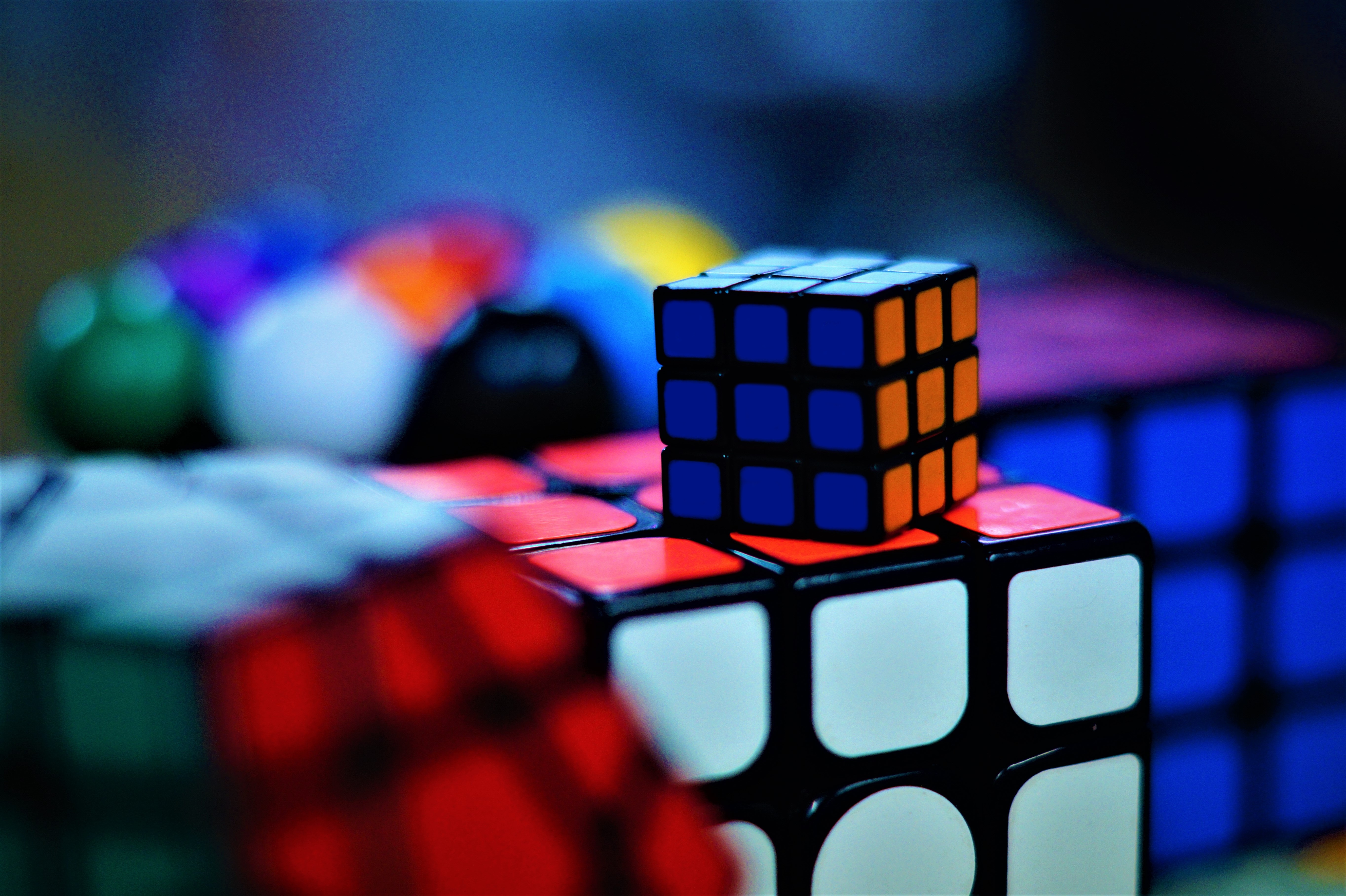
The popularity of the cube is attributed to several factors:
1. Challenge: Solving the Cube is a demanding activity that requires three-dimensional thinking, patience, and specific skills. Word of mouth spread rumours about its difficulty, further popularizing it.
2. Pop Culture: It's impossible to imagine a teenager from the 1980s without a skateboard and, of course, a Rubik's cube. It became a part of the pop culture of that time.
3. Variations: Over the years, the cube has seen multiple variations in colours, shapes, and sizes, creating new challenges for those who mastered the classic cube.
Specialists emphasize several benefits for individuals:
1. Improved Problem-Solving Skills: Solving the cube requires finding a complex solution and multidimensional thinking, fostering problem-solving skills akin to those required for a Rubik's cube.
2. Patience: No one can solve the cube without ample patience, which can be developed through hours, days, and weeks of persistent effort.
3. Algorithmic Thinking: Solving the cube involves using algorithms and developing skills in pattern recognition and mathematical thinking.
4. Stress Reduction: The Rubik's cube is considered an effective stress-reduction tool, tested over generations. Focusing on something specific can decrease stress levels and provide immense satisfaction when the cube is solved.
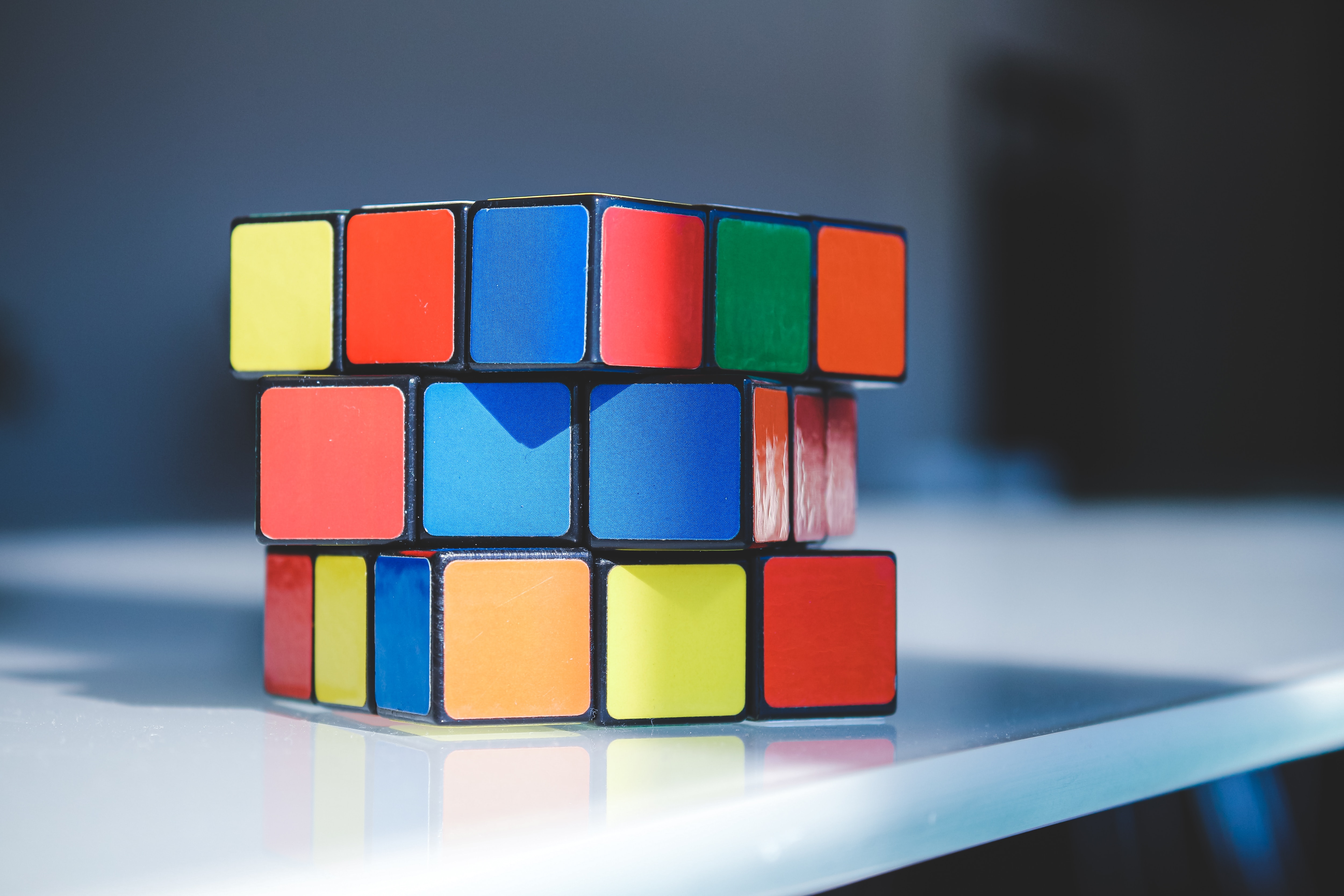
Considering all the aforementioned factors, it can be stated that the Rubik's cube is not merely a puzzle but a symbol of an era and an intellectual challenge for a wide range of people. Whether you're a mathematician, a junior school student, or a philosophy professor, you should definitely try this unique toy.