Neurotransmitters and how they are affected by drugs
Published on 21 Oct 2023
Biology
Click to watch the summary of this article
Neurotransmitters are the body's chemical messengers. They carry chemical signals ("messages") from one nerve cell to another. They are extremely important to our bodies, and living organisms can't function without neurotransmitters. In other words, neurotransmitters are molecules used by the nervous system in order to transmit messages from one neuron to another.
Neurotransmitters are crucial for the proper function of the nervous system which is responsible for many processes, including breathing, heartbeat and blood pressure, hormone regulation, digestion, senses, and others.

There are different types of neurotransmitters: amino acids, such as glutamate and glycine; monoamines, such as dopamine and serotonin; peptides, such as somatostatin and opioids; and purines, such as adenosine triphosphate (ATP).
Amino acids are involved in most functions of the nervous system. They include glutamate, the most common neurotransmitter in the nervous system, which is responsible for cognitive functions, and glycine, which is responsible for hearing, pain transmission, and metabolism.
Monoamines regulate consciousness, cognition, attention, and emotion. They include serotonin, which is crucial for people's mood and pain, and dopamine, which is responsible for pleasure.

Various drugs can be used to alter the action of neurotransmitters, and they usually accomplish this by either blocking or intensifying the release of neurotransmitters.
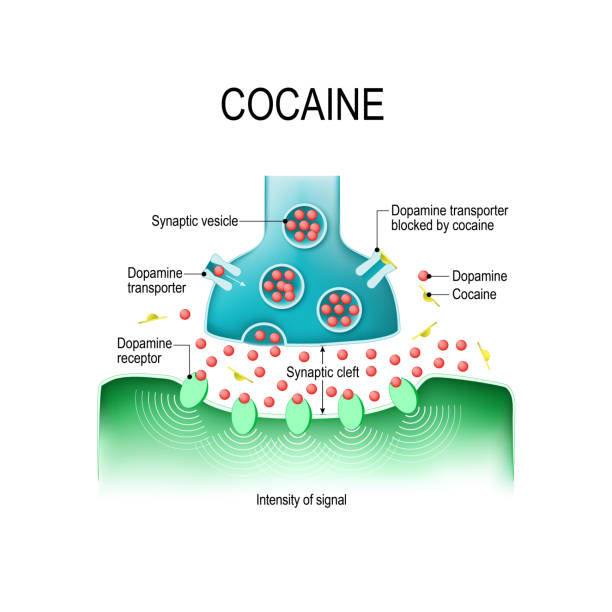
Let's have a look at some examples of stimulants and drugs that boost the release of neurotransmitters: Amphetamine and cocaine are both stimulants that increase the release of dopamine, a hormone that makes you feel good, alongside many other functions, including movement and memory. Surprisingly, these drugs also increase the production of norepinephrine, a hormone responsible for anger, emotions,and the "fight or flight" response. The release of these two hormones has two main outcomes: an increase in happiness and alertness. It is also crucial to state the use of these stimulants in medicine. Though still quite questionable, treatment of ADHD with amphetamines exists nowadays due to the increase in focus and decrease in anger brought about by this group of stimulants. When it comes to cocaine, medics use it as an anesthetic in a number of procedures.

There is a different group of drugs called sedatives. Let's have a look at two examples from this group.
Benzodiazepine and barbiturate act as sedatives due to their relaxing effects. Benzodiazepines are used to treat diseases like anxiety, insomnia, and epilepsy. This group of drugs stimulates the release of a neurotransmitter called gamma-aminobutyric acid (GABA), which in turn works towards making the nervous system less active. The action of barbiturates is similar to that of benzodiazepines in terms of mechanism, except for barbiturates being active at different active sites, thus making their action way less specific.

There are reasons for disorders that can be attributed to imbalances or dysfunctions of certain neurotransmitters in the brain. For instance, depression is often associated with levels of serotonin, a neurotransmitter that influences mood and motivation. Anxiety disorders are linked to heightened activity of norepinephrine, a neurotransmitter for controlling stress response and arousal. Schizophrenia is believed to involve elevated dopamine levels, which affect reward, motivation, and psychosis.
One approach to treating these health conditions involves manipulating the levels or actions of neurotransmitters in the brain using medications. These drugs can decrease the amount of neurotransmitters in the synapse or block the effects of neurotransmitters on their receptors. For example, selective serotonin reuptake inhibitors (SSRIs) are antidepressants that prevent serotonin from being reabsorbed by the neuron, increasing its availability in the synapse and enhancing its impact on the neuron. Benzodiazepines fall under a class of anxiety drugs that bind to gamma-aminobutyric acid (GABA) receptors—an inhibitory neurotransmitter that reduces neuronal excitability—thereby inducing relaxation and sedation.
Pharmaceutical drugs that manipulate neurotransmitters have proven effective in alleviating symptoms associated with health disorders; however, they also come with limitations and potential side effects. For example, certain medications might require weeks or even months to display their advantages, whereas others could gradually lose their efficacy due to tolerance or dependency. Some drugs may also cause physical or psychological effects, such as weight gain, sexual dysfunction, insomnia, agitation, or addiction. Moreover, some drugs may interact with other medications or substances, like alcohol or drugs, and cause serious adverse reactions.


The impact of social media on neurotransmitters is a topic of growing attention among researchers and healthcare experts due to how much it influences both the user's mental and emotional condition. Constant usage of social media platforms can cause alterations in neurotransmitter activity, including serotonin, oxytocin, and, most crucially, dopamine. This is sustained by feedback loop mechanisms that operate through the dopamine reward and pleasure system, keeping users in the loop. Excessive use, cyberbullying, or frequent comparison with others, on the other hand, can cause tension and worry, decreasing serotonin levels, which are critical for mood regulation. Furthermore, the sense of social connectivity gained via online contacts might promote oxytocin release, fostering bonding, although this should not be used in place of in-person relationships. Understanding these impacts on neurotransmitters is critical for addressing the potential mental health consequences of social media use in today's society.

In conclusion, the complex world of neurotransmitters plays a vital role in our bodily functions and mental well-being. From their fundamental significance in the nervous system to the diverse types of neurotransmitters governing various processes, such as cognitive functions, mood regulation, and arousal, these chemical messengers are very important. Moreover, the use of pharmaceutical drugs to modify neurotransmitter actions has shown significant advancements in treating health disorders in recent times, although they all come with their own set of challenges. Finally, as we explore the evolving impact of social media on neurotransmitter activity, we gain valuable insights into the complex interplay between technology and mental health. All of which is crucial to understand in order to fully get the ever-changing scope of today’s society.